
Malala Yousafzai is a Pakistani education activist and, at age 17, the youngest person ever to receive the Nobel Peace Prize. She first became known as a child for speaking out against the Taliban’s ban on girls’ schooling in Pakistan’s Swat Valley — and became a global figure after surviving an assassination attempt in October 2012. Today she works through the Malala Fund to expand girls’ access to education worldwide.
Quick facts
| Full name | Malala Yousafzai |
| Born | July 12, 1997 (age 29), Mingora, Swat Valley, Pakistan |
| Profession | Education activist, author, film and television producer |
| Nationality | Pakistani |
| Education | Lady Margaret Hall, University of Oxford (BA, Philosophy, Politics and Economics, 2020) |
| Known for | Youngest-ever Nobel Peace Prize laureate (2014, age 17) |
| Spouse | Asser Malik (married November 2021) |
| Last updated | October 2026 |
Biography
Malala Yousafzai was born on July 12, 1997, in Mingora, the largest city in Pakistan’s Swat Valley, in what was then the North-West Frontier Province (now Khyber Pakhtunkhwa). Her father, Ziauddin Yousafzai, is an educator and activist who ran a school in the valley, and her mother is Tor Pekai Yousafzai. Ziauddin encouraged his daughter to speak publicly without fear — a formative influence on everything that followed.
As the Taliban’s influence grew in Swat and girls were barred from attending school, Malala began writing for BBC Urdu in 2009 at age 11 under the pen name “Gul Makai,” describing daily life under Taliban rule and the growing restrictions on schoolgirls. Her diary entries drew attention to a crisis few outside the valley understood, and she began appearing in interviews and documentaries about girls’ education.
Her activism won early recognition: she received Pakistan’s National Youth Peace Prize in 2011 and was nominated for the International Children’s Peace Prize that same year. In 2012 she was awarded Pakistan’s first National Youth Peace Prize — the prize has since been renamed in her honour.
Like many young public figures whose personal stories drew global attention — see, for example, the Farhana Bhatt biography — Malala’s early life story became inseparable from her cause.
Activism and the 2012 attack
Malala’s campaign put her in direct conflict with the Taliban. On October 9, 2012, a Taliban gunman boarded her school bus in Swat as she was returning home and shot the 15-year-old in the head. She was seriously wounded but survived.
After initial treatment in Pakistan, her condition was stabilized and she was transferred to Birmingham, England, for a year of medical treatment. Her family eventually joined her there, and she returned to school — attending Edgbaston High School in Birmingham while continuing to campaign for girls’ education.
The attack had the opposite of its intended effect: rather than silencing her, it turned a schoolgirl’s diary into a global movement. In 2013, her message reached its widest audience yet — on July 12, 2013, her 16th birthday, she addressed the United Nations, declaring that “the extremists are afraid of books and pens,” and her first book, the memoir I Am Malala, written with journalist Christina Lamb, was published.
Nobel Prize and later work
On October 10, 2014, it was announced that Malala Yousafzai and Indian children’s rights activist Kailash Satyarthi would share the Nobel Peace Prize for their struggle against the suppression of children and young people and for the right of all children to education. At 17, she became the youngest Nobel laureate in history — and the second Pakistani and the only Pashtun to receive a Nobel Prize. She received the prize at the ceremony in Oslo on December 10, 2014.
She had earlier co-founded the Malala Fund with her father to advocate for girls’ secondary education worldwide — supporting schooling projects in countries including Pakistan, Nigeria, Jordan and Kenya, and speaking out on behalf of girls denied education, including the schoolgirls abducted by Boko Haram in Nigeria.
In 2017 she began studying Philosophy, Politics and Economics (PPE) at Lady Margaret Hall, Oxford, graduating with her BA in the summer of 2020. She went on to publish a picture book, Malala’s Magic Pencil (2017), and We Are Displaced: True Stories of Refugee Lives (2019), with proceeds supporting her education work.
On November 9, 2021, she married Asser Malik, a general manager of high performance at the Pakistan Cricket Board, in a small nikkah ceremony at her home in Birmingham. She announced it herself on social media, writing: “Today marks a precious day in my life. Asser and I tied the knot to be partners for life.”
In March 2021 she signed a multiyear programming partnership with Apple TV+ through her production company, Extracurricular, covering dramas, comedies, documentaries, animation and children’s series. In 2022 she unveiled her first slate of projects, including a film adaptation of Elaine Hsieh Chou’s Disorientation and a scripted series based on Asha Lemmie’s novel Fifty Words for Rain.
For more profiles of prominent figures, read the Aviva Bidapa biography.
Finances
No reliable public estimate of Malala Yousafzai’s net worth exists. Several celebrity-tracker websites publish figures in the low single-digit millions (often citing her book royalties, the I Am Malala book advance and speaking fees), but none of these figures is audited or independently verified, and they conflict with one another — so we do not quote a specific number here.
FAQ
Why is Malala Yousafzai famous?
She is a Pakistani education activist who, as a child in the Swat Valley, publicly opposed the Taliban’s ban on girls’ schooling. After surviving an assassination attempt in 2012, she became a global voice for girls’ education and, in 2014 at age 17, became the youngest Nobel Prize laureate in history.
How old was Malala when she won the Nobel Prize?
She was 17. The 2014 Nobel Peace Prize, which she shared with Indian activist Kailash Satyarthi, was announced on October 10, 2014 — she was born July 12, 1997 — and presented in Oslo on December 10, 2014.
Where did Malala Yousafzai study after the 2012 attack?
After recovering in Birmingham, England, she attended Edgbaston High School there. In 2017 she began studying Philosophy, Politics and Economics at Lady Margaret Hall, University of Oxford, and graduated with a BA in the summer of 2020.
Who is Malala Yousafzai married to?
She married Asser Malik, a Pakistani cricket administrator with the Pakistan Cricket Board, on November 9, 2021, in a small nikkah ceremony at her home in Birmingham, England.
Sources
- NobelPrize.org — Malala Yousafzai speed read
- Wikipedia — Malala Yousafzai
- Britannica — Malala Yousafzai
- Associated Press via The Himalayan Times — marriage announcement (Nov 10, 2021)
- Express Tribune via Variety — Apple projects (Sept 28, 2022)
- Nelson Mandela Foundation — Profile: Malala Yousafzai
- Women’s History — Biography: Malala Yousafzai
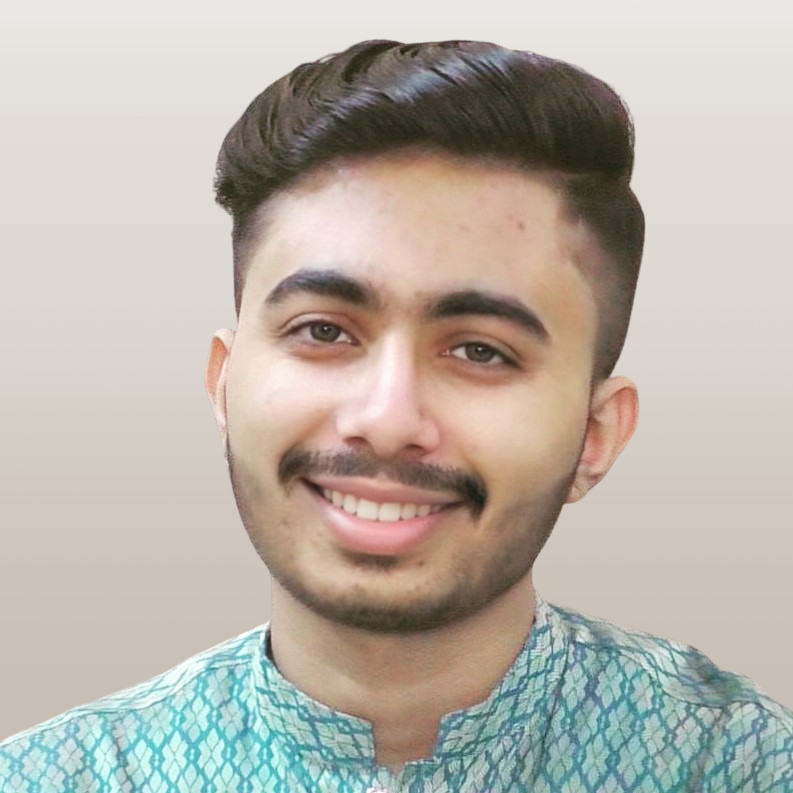
Danish Tariq is the founder and editor of Celeb Hubz, covering celebrity net worth, biographies and career stories. He focuses on verified figures and sourced research — no inflated claims, no clickbait.
4 thoughts on “Malala Yousafzai: The Story of the Youngest Nobel Laureate”